· 1 min read · By the Kinfolk team at Kinfolk Digital Ltd
GPS trackers for people with dementia
01
Why families consider a tracker
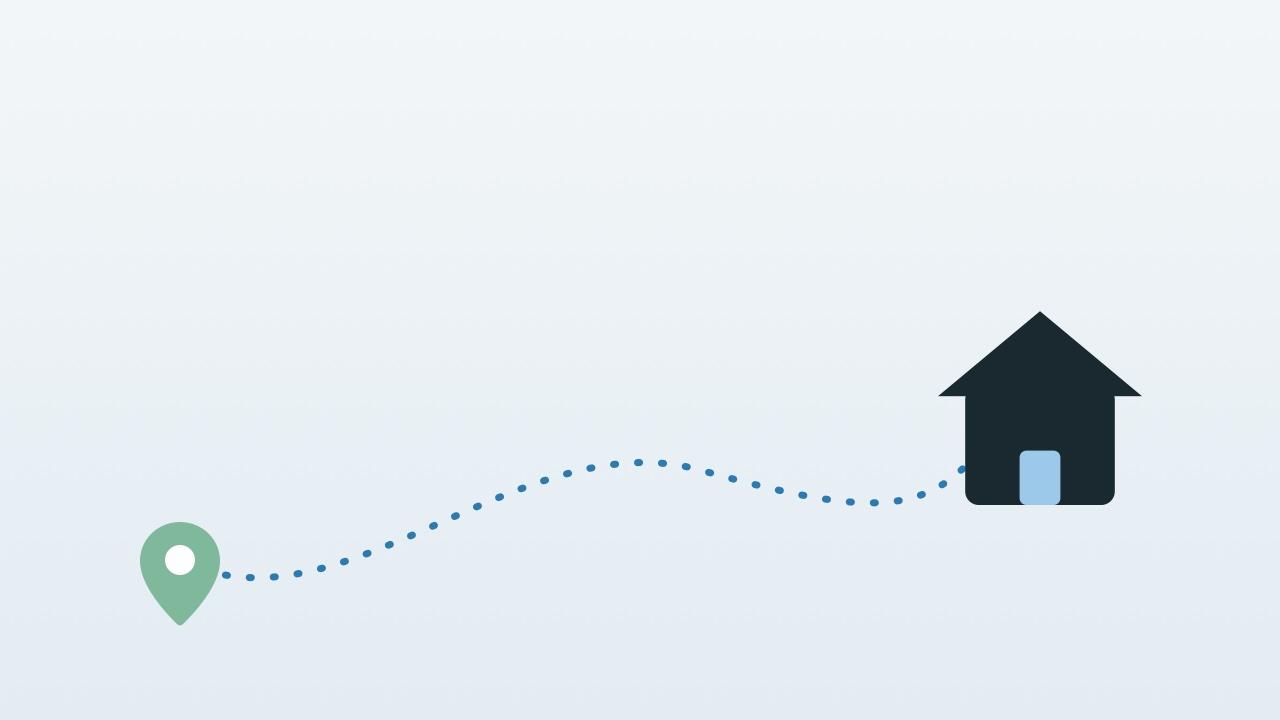
Many people with dementia walk, sometimes called wandering, and can become disorientated a long way from home. A location device can let them keep going out on their own for longer, and help family find them quickly if something goes wrong. Used well, it supports independence rather than replacing it.
02
Types of device
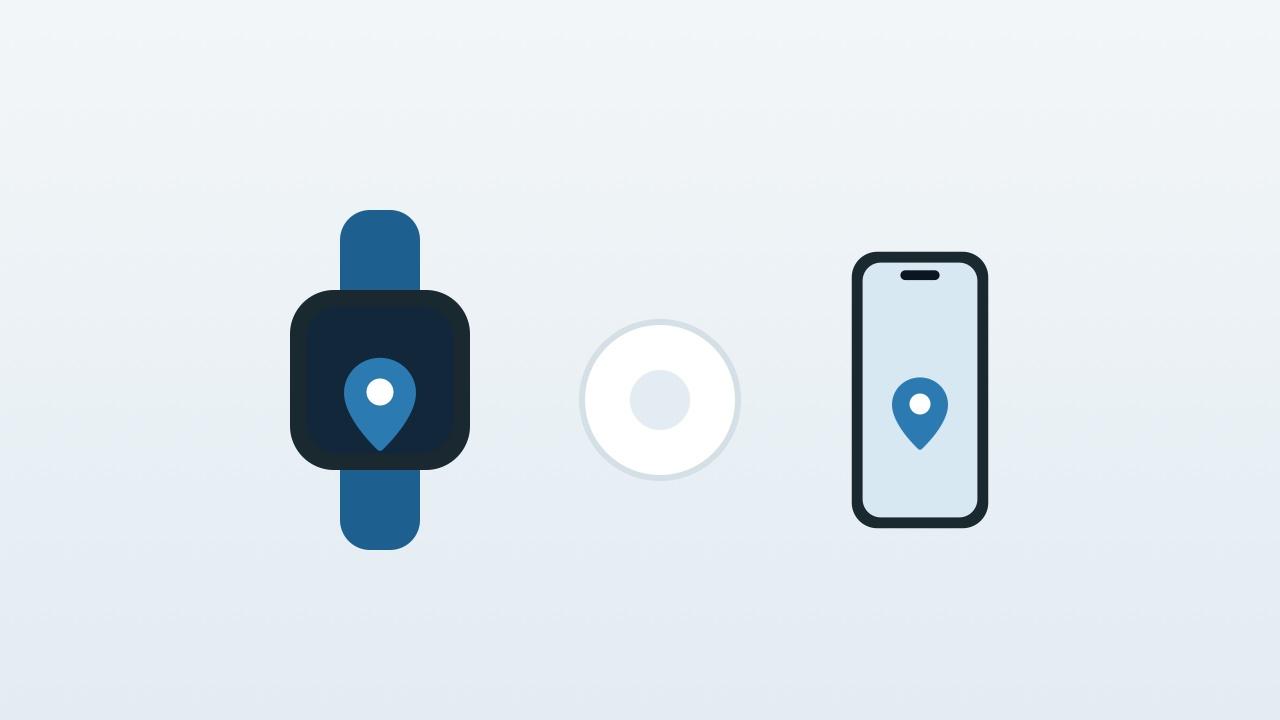
Dedicated GPS trackers come as pendants, watches, keyrings and even insoles, usually with a SIM, an SOS button and an app for family. A phone works if the person carries it reliably and can keep it charged. Bluetooth tags are less useful, because they only update when a phone passes nearby. Some devices also offer safe zone alerts, which notify family when the wearer leaves a set area. What is geofencing? explains how those work.
03
Consent and dignity
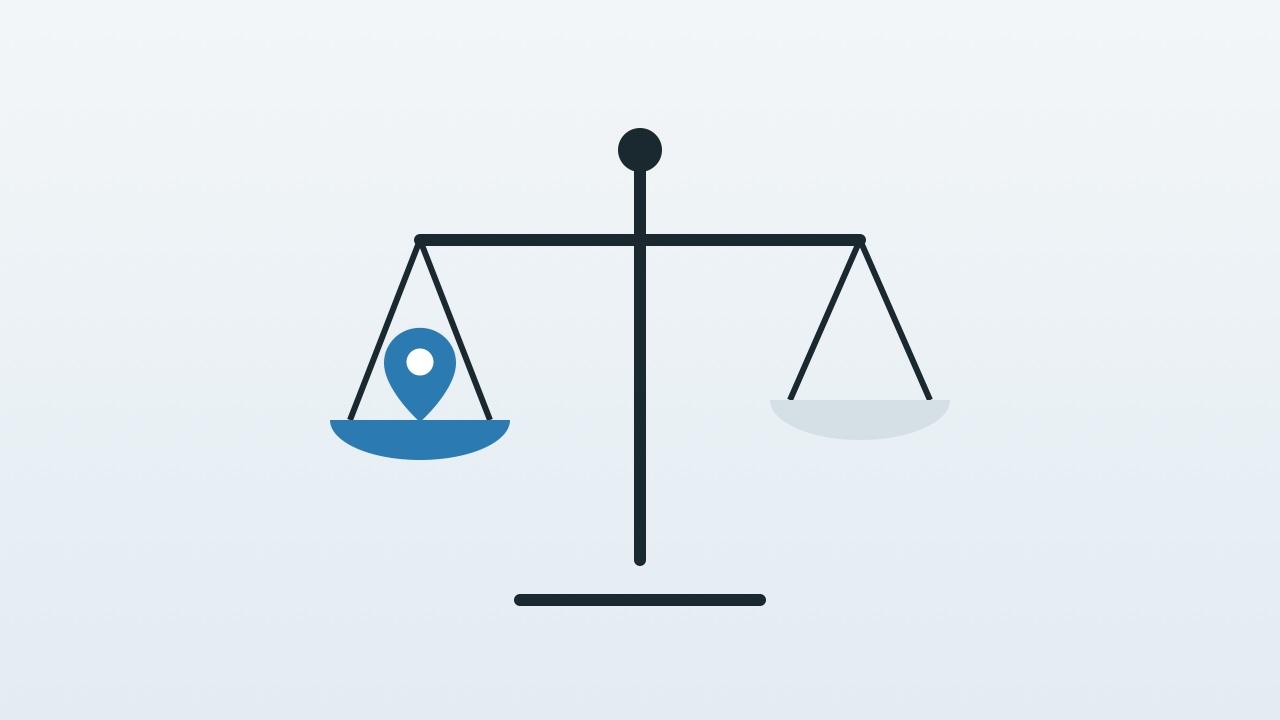
Wherever possible, talk about a tracker early, while the person can take part in the decision. Choose something they are happy to wear or carry. If the person can no longer decide for themselves, decisions should be made in their best interests, and in the UK that is guided by the Mental Capacity Act. Dementia charities such as Alzheimer's Society and Dementia UK have guidance on this.
04
The Herbert Protocol
In the UK, most police forces run the Herbert Protocol. Families fill in a form with key details about a person with dementia: a recent photo, medical needs, places they used to live or work and might head to. If the person goes missing, the form can be handed to the police straight away, saving vital time. It works alongside a tracker, not instead of one.